
An orthotist explains funding gaps and how Variety’s support helps kids access care
“Facing treatment after a diagnosis—it’s scary, it’s a big challenge. A lot of kids kind of want to hide, but they can’t,” says Carl Ganzert, an orthotist at Hodgson Group Orthotics & Prosthetics.
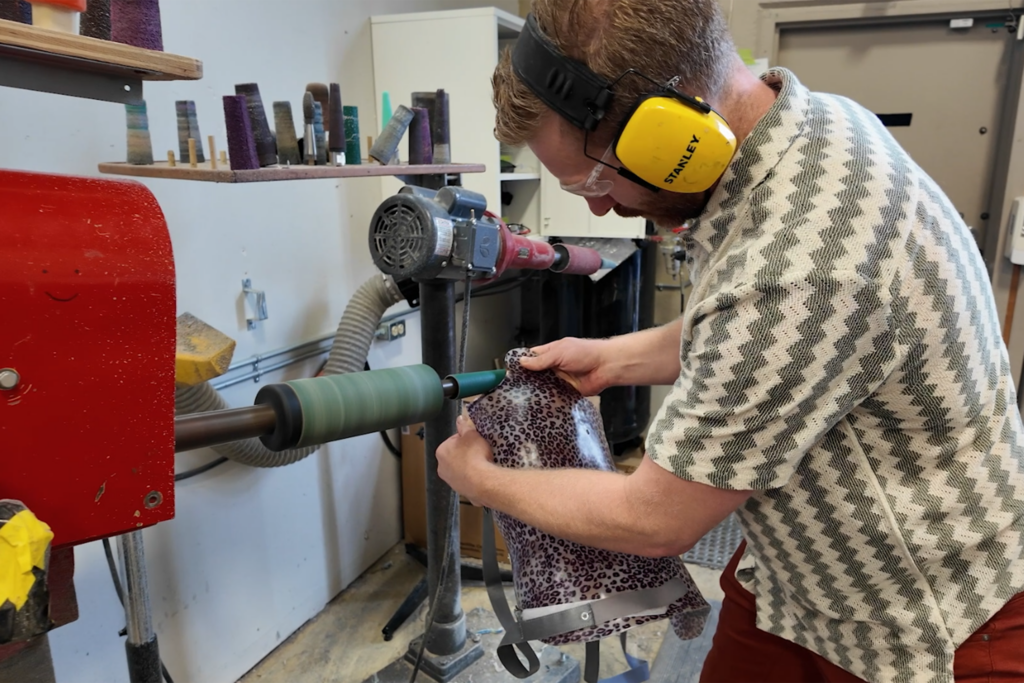
Much of Carl’s work centres on scoliosis and complex limb deformities, assessing patients, building and modifying orthotic braces, and developing treatment plans. “Kids can get stuck thinking there’s something wrong with them or that they’re weak or frail,” he says. “So it’s such a big motivator for me to help them believe in themselves and gain that quiet authentic pride in what they can do.”
Carl is also motivated to help make treatment as accessible as possible. He says that kids and their parents are often overwhelmed at the start of treatment, not just by the process but also the cost. Some families directly mention their financial distress while others simply can’t keep up with treatment timing due to housing insecurity, paperwork overload, or complex medical needs.
Seeing the strain families were under, the team at Hodgson Group began developing resources to help families access additional funding.
The clinic now has a dedicated funding support team to guide parents and caregivers through eligibility requirements, timelines, and application processes across different funding sources.
“Our funding department has what we call the guided pathway,” Carl says. “We walk clients through the process, and I think it’s been really appreciated, just so they know their options.”
PharmaCare and private insurance plans only go so far. Even with these layers of support, families often need additional funding to cover deductibles, partial coverage, or replacement costs.
In the last five years, Variety provided grants for orthotics to over 350 families; the average amount for those grants was over $1,200. For families with limited incomes, this is a significant cost, particularly when their kids have multiple support needs.
With scoliosis care, as with many diagnoses, timing matters. Spinal curves can worsen rapidly during growth spurts. Delays in treatment can sometimes mean losing the opportunity for bracing, increasing the likelihood of needing surgery. “The last thing we want,” Carl explains, “is for funding delays to become part of the reason a child misses that treatment window.”
Knowing Variety can help cover gaps in funding brings immediate reprieve to families already carrying significant pressures. “There is a sigh of relief and their bodies relax,” Carl says. “We can shift the conversation to treatment, because they’re not carrying all of that stress about where the money is going to come from.”